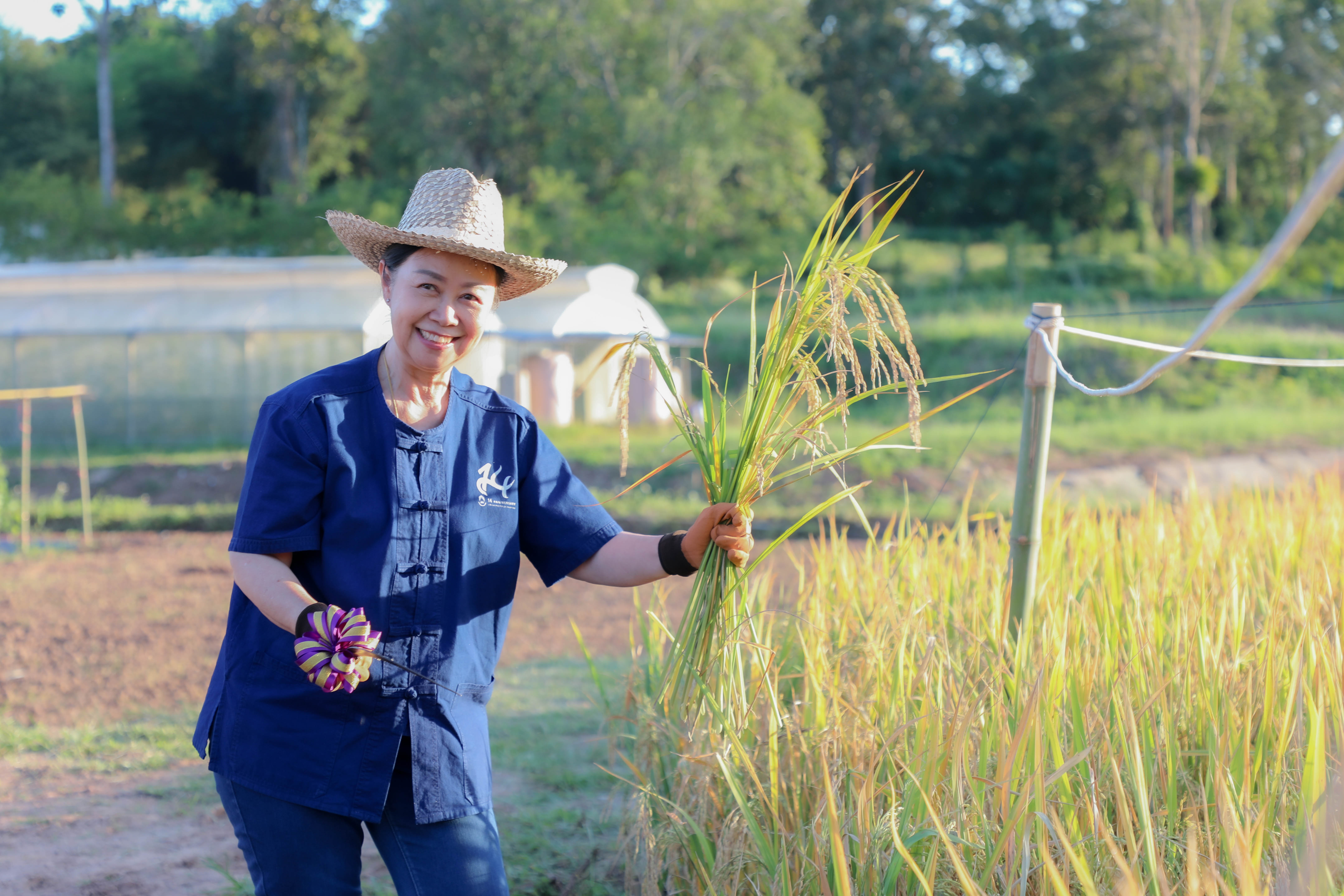
In recent years, Thai farmers have been greatly affected by the fluctuating prices of rice. Due to an increase in global supply and more countries entering the export market, Thai rice has faced tough competition. While white rice continues to be Thailand's main export crop, sticky rice remains a staple in the daily lives of those living in Northern and Northeastern Thailand. The popular KDML6 sticky rice variety, although widely known, has its limitations. It can only be grown during one season and is highly susceptible to blast disease, resulting in frequent yield losses.
To address these issues, researchers at the University of Phayao have developed a new sticky rice variety called “Hom MorPor 1.” This aromatic sticky rice was created to be stronger, easier to cultivate, and more productive. The development combined traditional rice-breeding methods with modern DNA marker technology, enabling more precise and faster selection of superior rice plants. The variety was refined over many years from three parent lines: Sanpatong 1, KDML6, and the research line RGD07585-5-B-MAS-12-1-MAS-14. Through repeated selection, researchers achieved the desired traits — a fragrant aroma, resistance to blast disease, and tolerance to bacterial leaf blight.
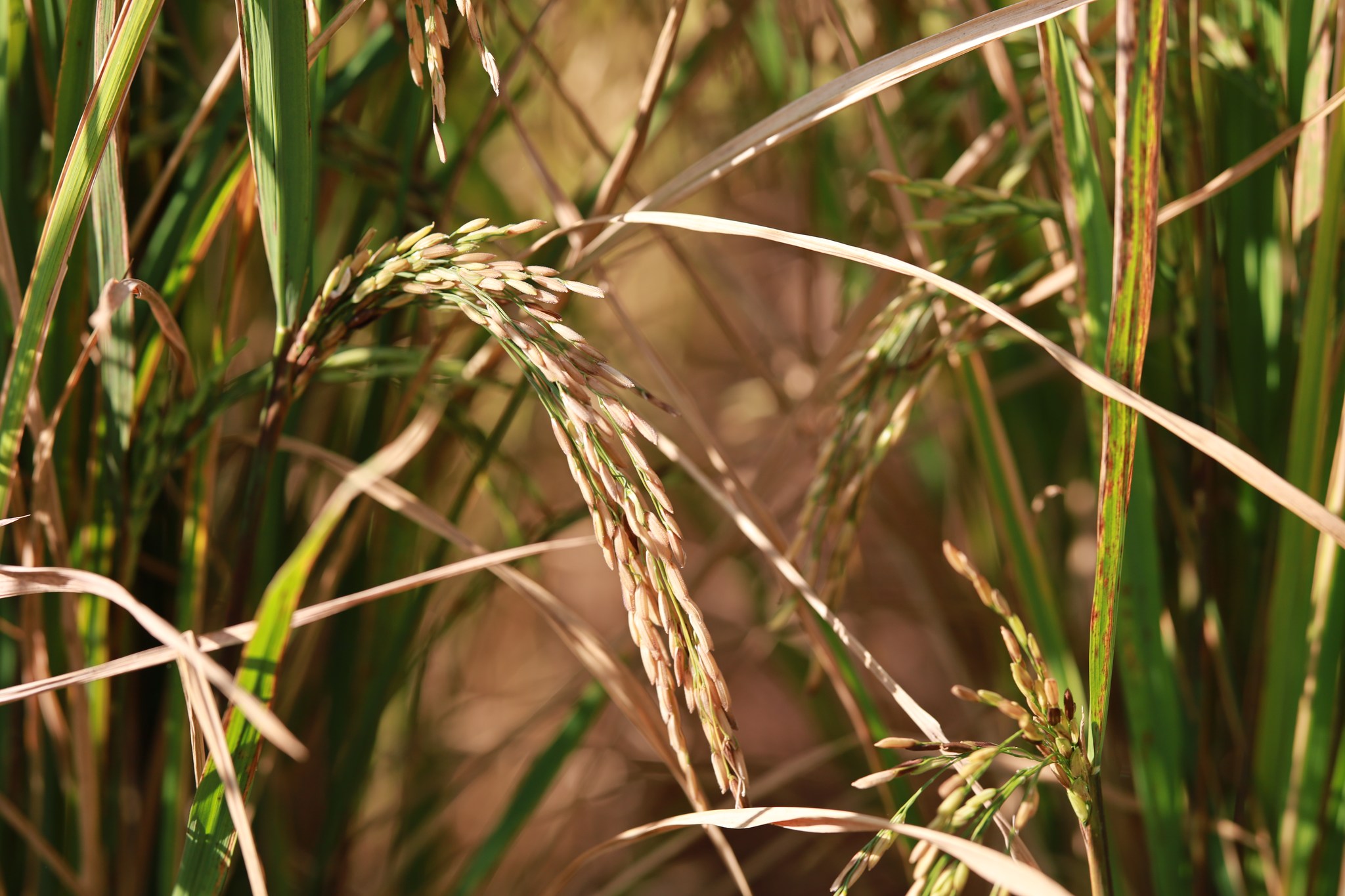
One of the standout features of “Hom MorPor 1” is its photoperiod-insensitivity, allowing for more flexible planting without being dependent on specific day-length conditions like KDML6. The plants are robust, reaching a height of approximately 126 centimeters, with long panicles and large grains. On average, it yields around 830 kilograms per rai, which is considered excellent and stable. This variety is particularly well-suited for the upper northern region, especially in irrigated fields. The crop cycle takes approximately 140-150 days from planting to harvest. It performs best in wet-season paddy fields, although dry-season planting may require more time and water. The research team is currently working on resolving this issue for future improvements.
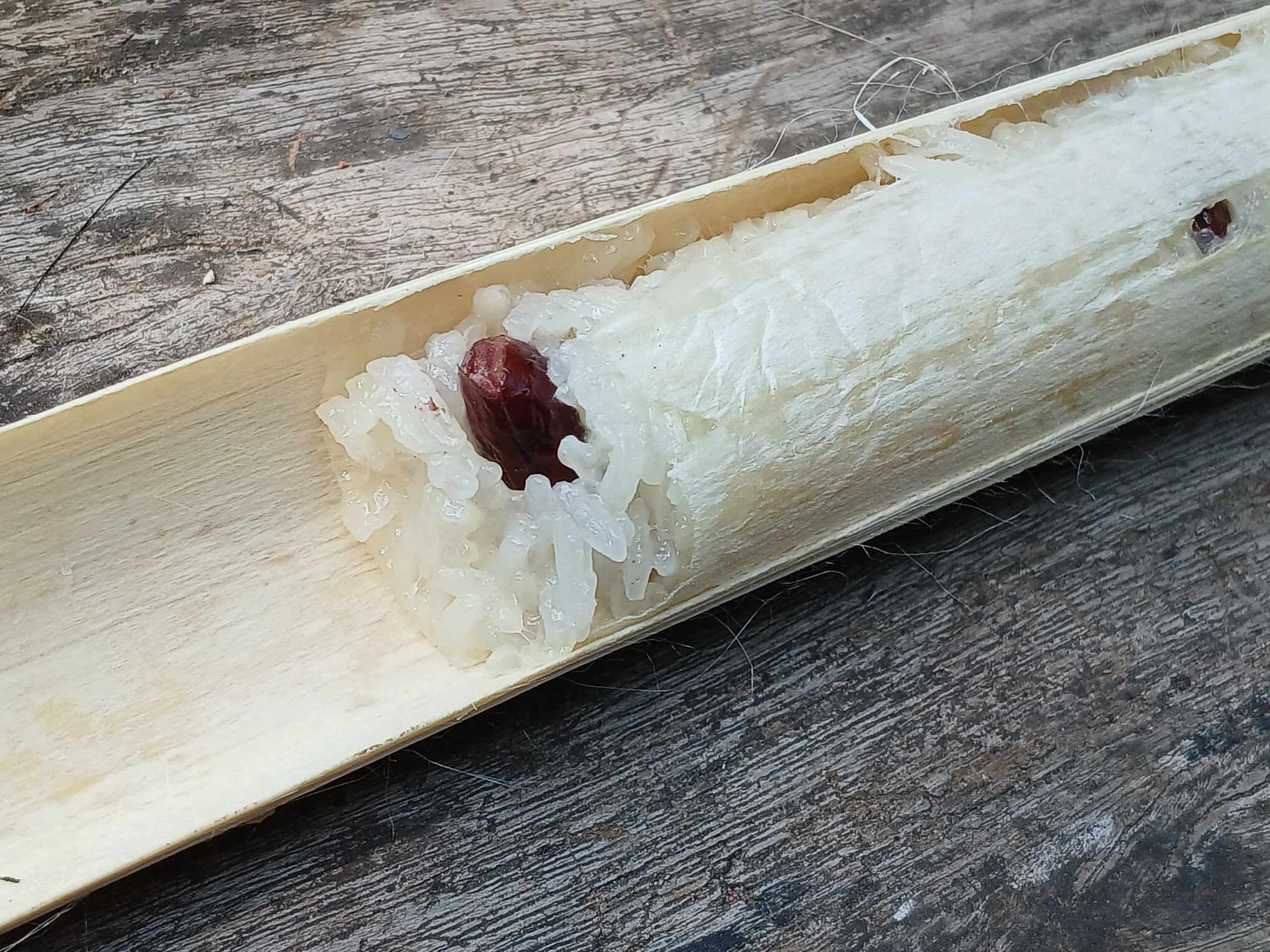
In terms of taste, "Hom MorPor 1" has a stronger fragrance compared to the well-known Sanpatong 1. When steamed, it becomes fragrant and soft, making it the perfect choice for traditional northern dishes. It can be used for various dishes such as khao lam (bamboo-sticky rice), steamed sticky rice, and other local meals. Its large and attractive grains also make it suitable for community-based value-added products, including local desserts and packaged souvenirs for tourists.
One of the key benefits of "Hom MorPor 1" is its strong resistance to diseases. Farmers are often concerned about blast disease, which can devastate large portions of their crops. However, this variety is more resilient compared to other existing varieties, resulting in reduced risks, lower production costs, and less workload for farmers. The high yields also lead to better income, which not only benefits individual households but also contributes to the growth of the local economy. This includes rice mills, restaurants, and community processing groups that rely on a consistent supply of high-quality rice.
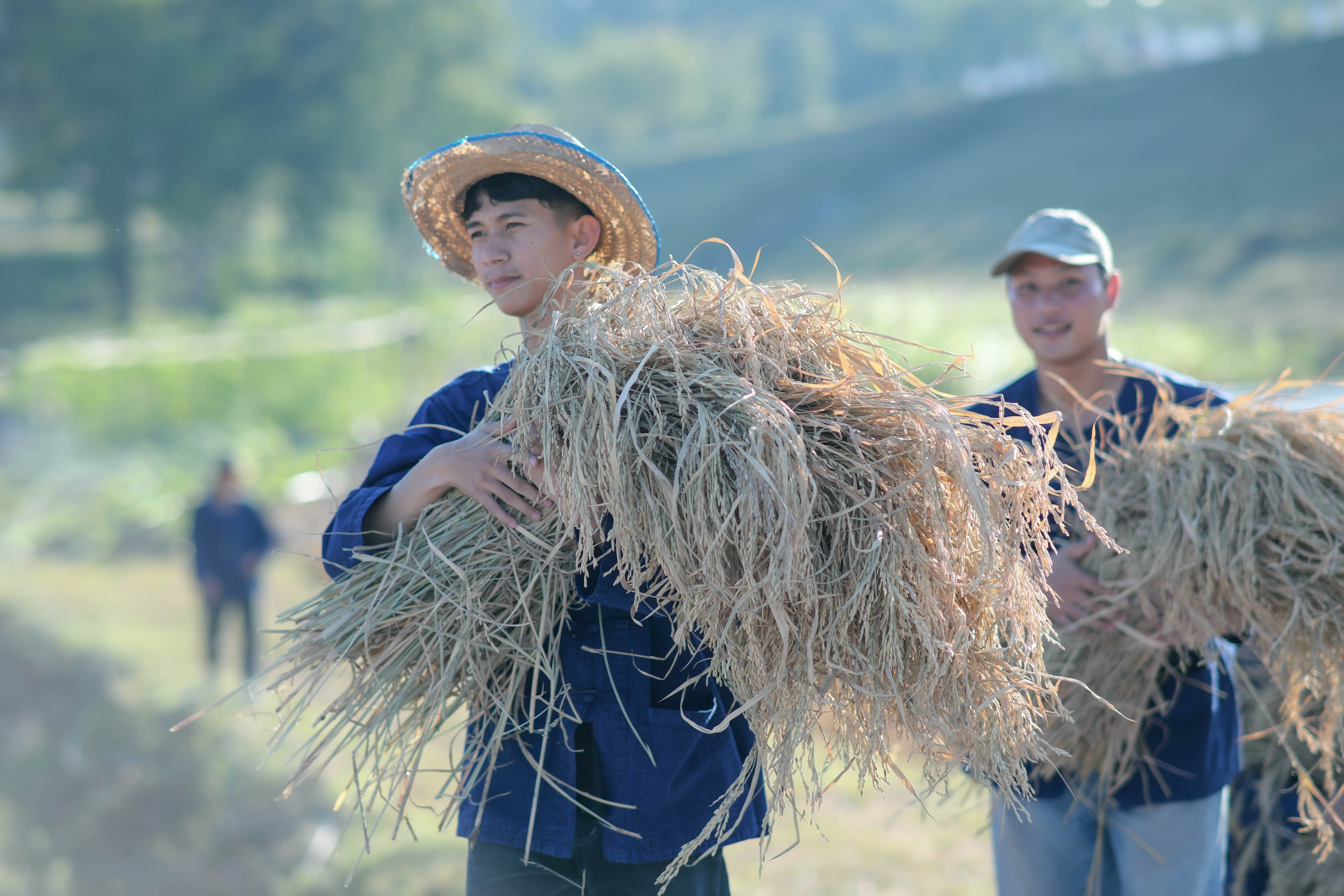
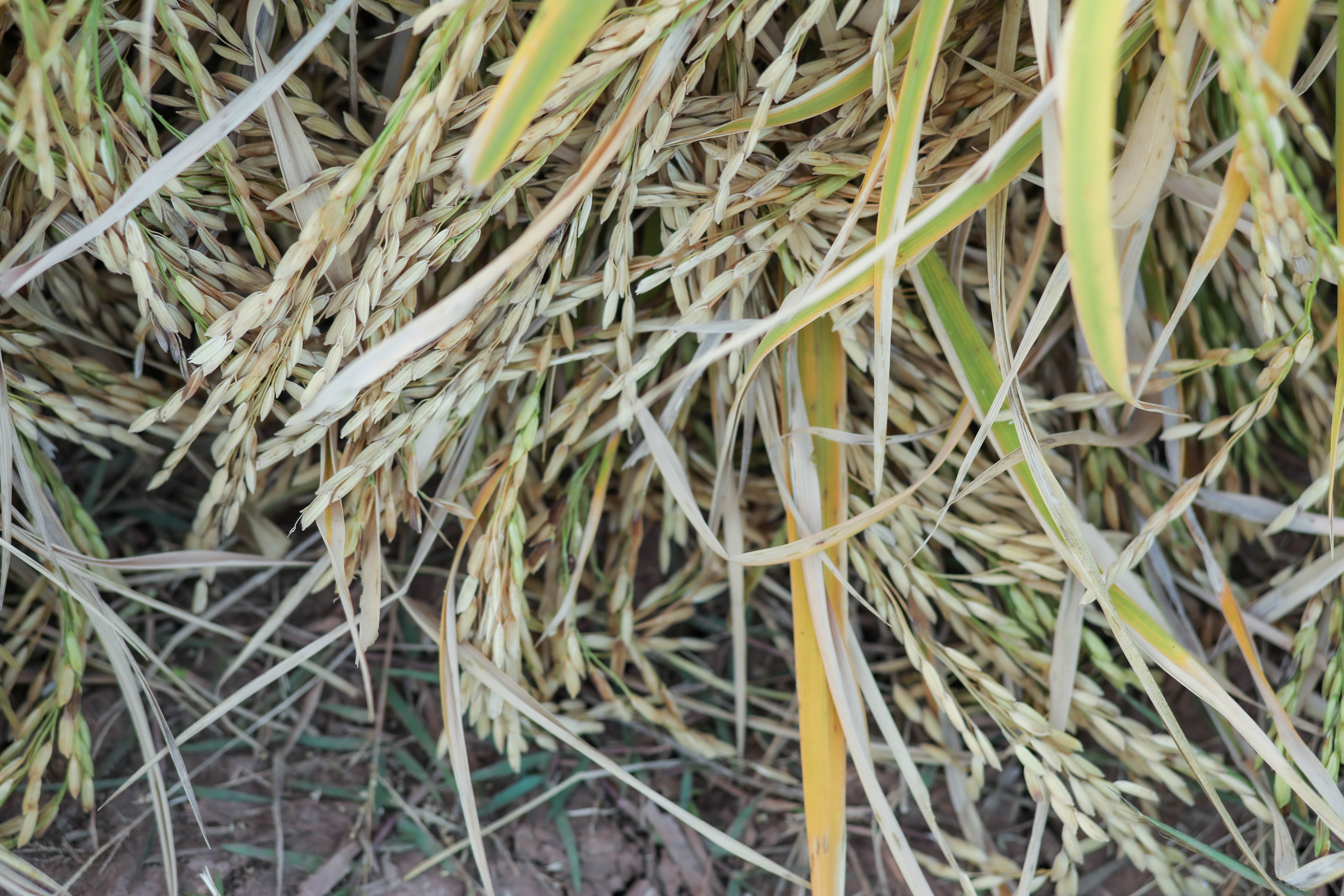
Today, “Hom MorPor 1” has been officially registered as a certified rice variety by the Department of Agriculture and is now in the process of seed production for distribution to farmers. This marks a significant achievement in Thai agricultural research, offering farmers a new option for fragrant, strong, and high-yield sticky rice.
Once the seeds are ready for widespread planting, “Hom MorPor 1” is expected to become a promising new variety that boosts income stability for communities in northern Thailand — and stands as a source of pride for Thai-made research and innovation.
ปรับใ
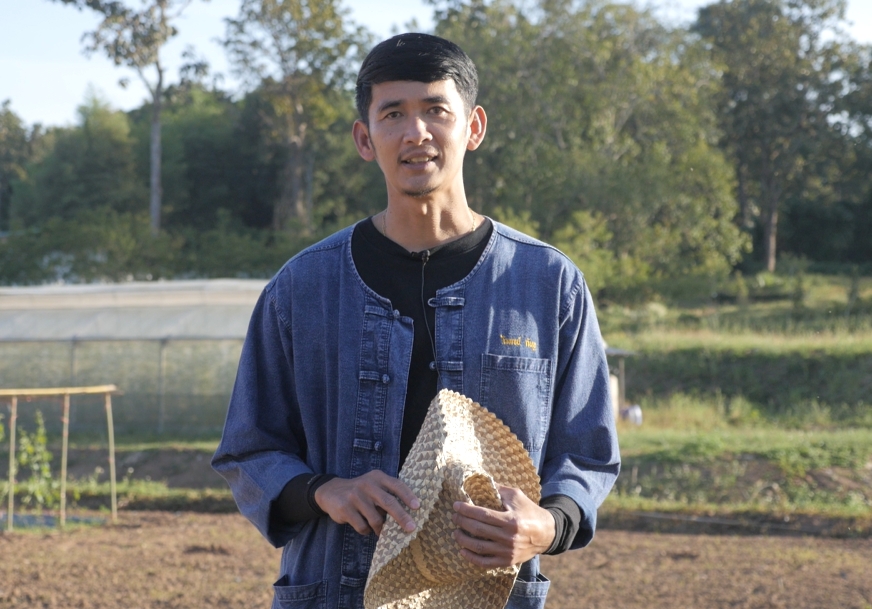
Source by : Asst. Prof. Dr. Vaiphot kanjoo
School of Agriculture and Natural Resources, University of Phayao