The Royal Graduation Ceremony is not just a routine event on a university calendar; it is a significant milestone in life that combines the values of education, culture, and human connection into one meaningful moment. Originating from the customs of medieval Western academia, this ceremony has transcended time and place, becoming deeply ingrained in Thai society and evolving into a dignified practice that beautifully embodies the nation's identity.
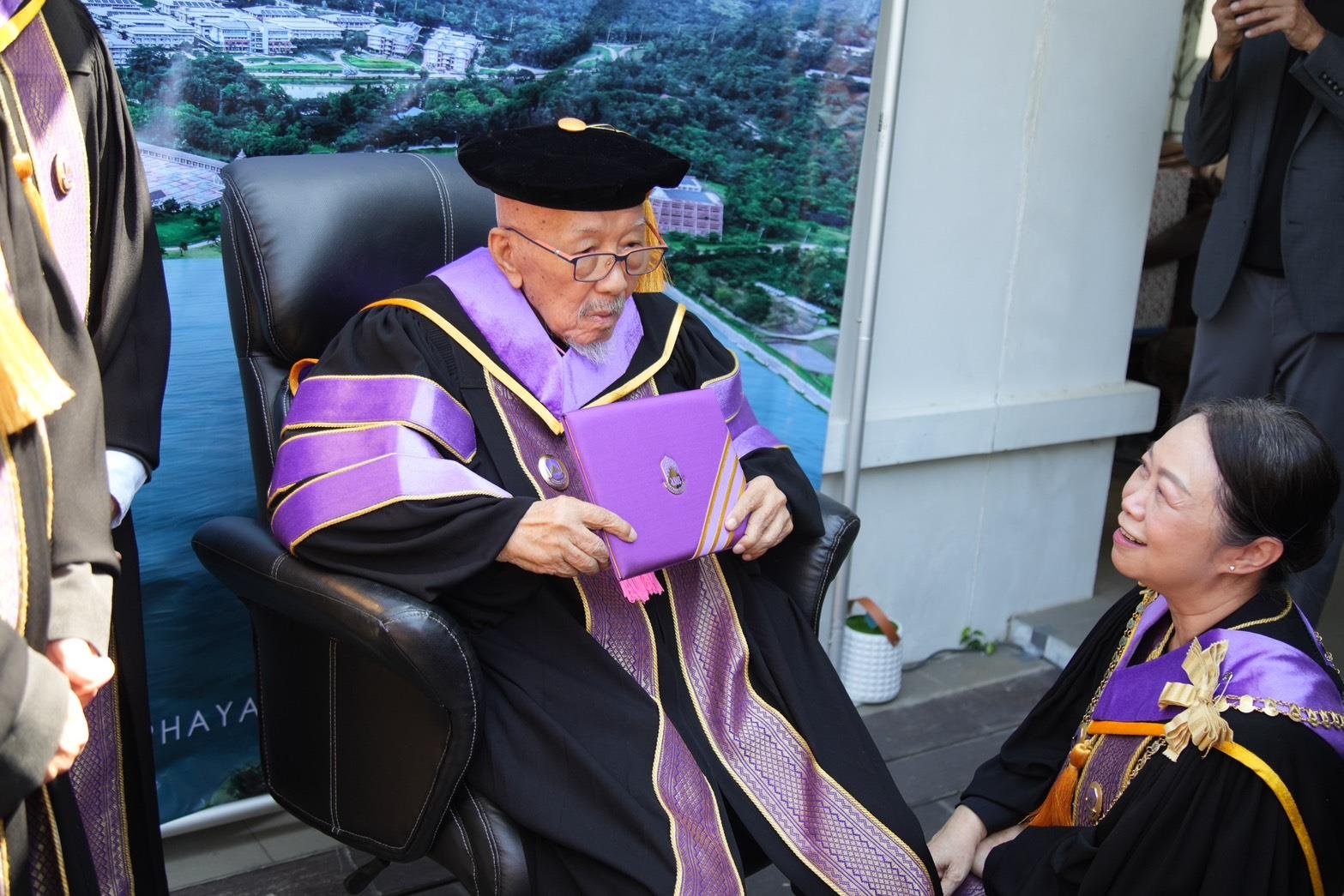
In Thailand, the Royal Graduation Ceremony holds great significance beyond simply completing one's academic studies. It is a moment of royal grace, during which the King or a royal representative bestows degrees upon graduates, formally acknowledging their knowledge, perseverance, and accomplishments. This act transforms years of hard work into a moment of shared pride, both on a personal and societal level, making the ceremony one of the most esteemed milestones in a graduate's life.
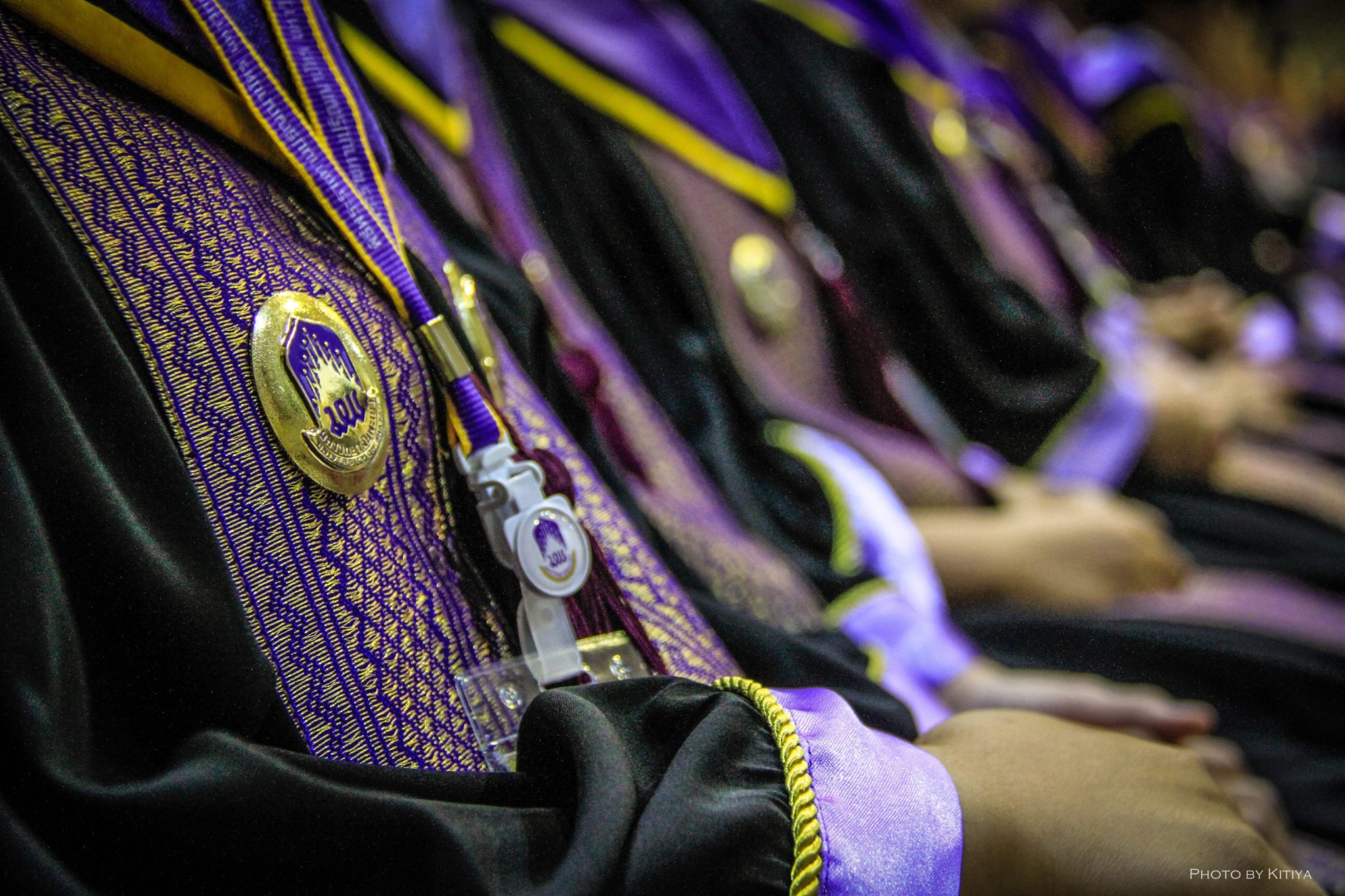
At the University of Phayao, the graduation ceremony holds a significant and profound meaning. What sets it apart is the academic gown donned by its graduates. This gown is not just a universal symbol of scholarship, but a living fabric that narrates the story of the people, culture, and land.
.jpg)
The distinctive band of the gown is inspired by the traditional “Tam Kao” textile pattern of the Tai Lue community in Chiang Kham District, Phayao Province. This intricate design emerges from generations of indigenous weaving wisdom, requiring meticulous craftsmanship, patience, and highly refined skill. Each piece of fabric is not merely an object, but a culmination of time, labor, and the spirit of its weaver.
The term “Tam Kao” carries meanings beyond its technical weaving method. It embodies the idea of “progress” and “moving forward” in life. The carefully arranged geometric patterns symbolize the journey of each graduate marked by perseverance, learning, and growth leading to the moment of success celebrated on graduation day.
.jpg)
Furthermore, in Tai Lue culture, the Tam Kao fabric holds a deeper significance beyond its decorative purpose. It is considered a form of spiritual protection and is often referred to as a "sacred textile" that brings good fortune and shields the wearer from harm. When incorporated into the academic gown, this meaning is further elevated. It becomes a symbol of mindfulness, ethics, and moral integrity - values that the university instills in its graduates as they embark on their journey into the wider world.
Therefore, every step taken by a graduate wearing the University of Phayao gown is guided not only by knowledge, but also by the local wisdom and spiritual values woven into every thread. These elements shape individuals who move forward with purpose, responsibility, and a sense of meaning.
Equally significant is the socio-economic value embedded within this fabric. By integrating local textile heritage into the academic gown, the university does more than preserve cultural identity it actively generates income for the community, creates sustainable livelihoods for local weavers, and ensures that traditional knowledge continues to thrive in a modern context.
.jpg)
This reflects the university’s guiding philosophy: “Wisdom for Community Empowerment.” At the University of Phayao, knowledge does not remain confined within classrooms. It is extended, applied, and returned to communities in tangible ways. Graduates are not merely recipients of education; they become agents of opportunity and drivers of sustainable development.
.jpg)
When looked at as a whole, the graduation ceremony marks not the end, but the start of a new journey. It is a significant moment where pride is intertwined from various sources:
The pride of the weavers, whose skill and artistry contribute to a defining moment in the lives of many; the pride of the faculty, who have imparted knowledge and molded capable individuals;
The pride of families, who witness the accomplishments of their loved ones;
And most importantly, the pride of the graduates themselves—who don a gown that symbolizes not only academic success, but also cultural heritage, a sense of belonging, and a shared sense of optimism.
On that day, the gown transforms from mere fabric into a symbol of a story, a set of values, and a link between the past, present, and future.
And as graduates step down from the stage, degree in hand, what they carry is more than a certificate. It is a responsibility to society, a commitment to apply their knowledge for the greater good, and a deep sense of pride in being part of the University of Phayao—a place where the success of an individual is transformed into the strength of an entire community.