Beekeeping offers more than just an opportunity to produce natural honey. Bees play an important role in pollinating crops, helping plants produce fruit and supporting agricultural productivity. Raising Thai native honey bees is therefore an interesting option for farmers and those looking to earn extra income while making use of local natural resources. Beyond selling honey, beekeeping can also create opportunities to develop value-added products and support
The University of Phayao (UP) recognizes the importance of applying academic knowledge and technology to improve people's quality of life. Through the project “Appropriate Technology in Thai Apis cerana Breeding: Expanding to Enhance Production Efficiency and Sustainable Farmer Income Development,” the School of Science works with the Phayao Provincial Agriculture Office, Chiang Kham District Agriculture Office, and local farming networks to share practical knowledge and promote appropriate beekeeping techniques suited to local conditions.

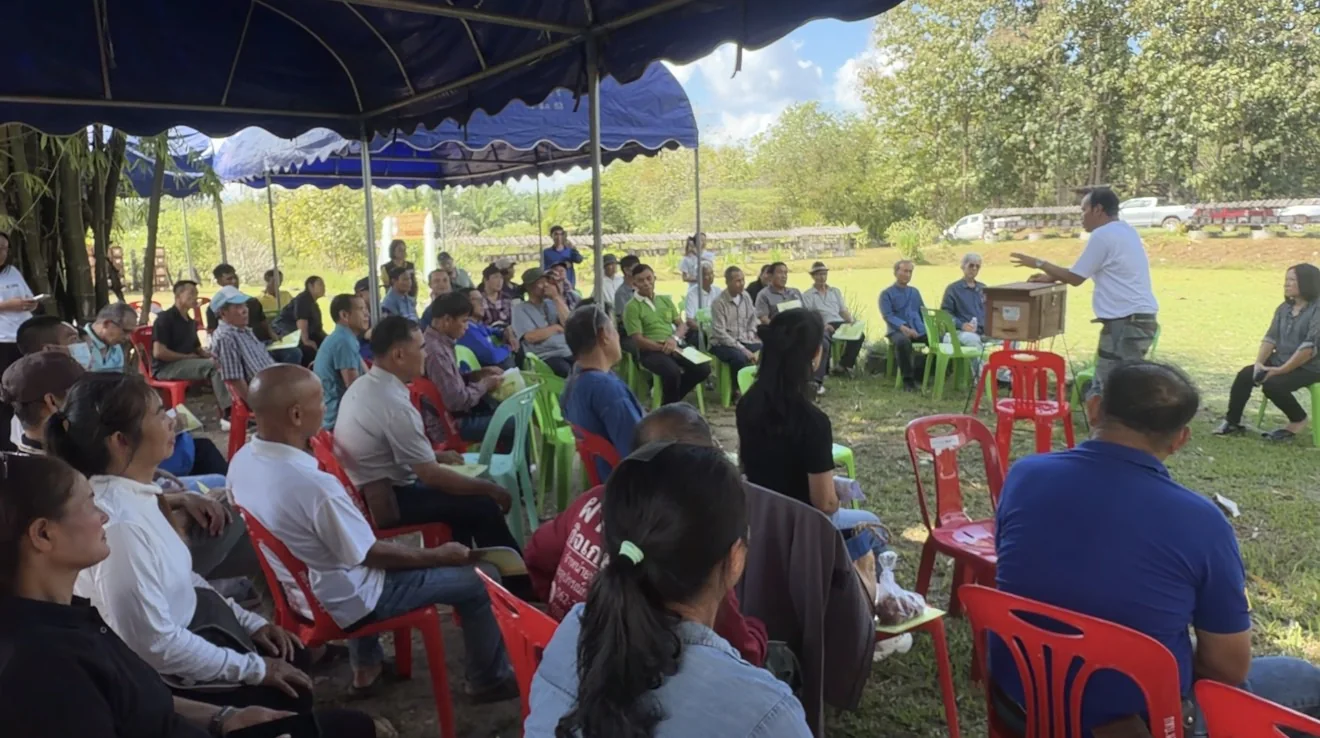
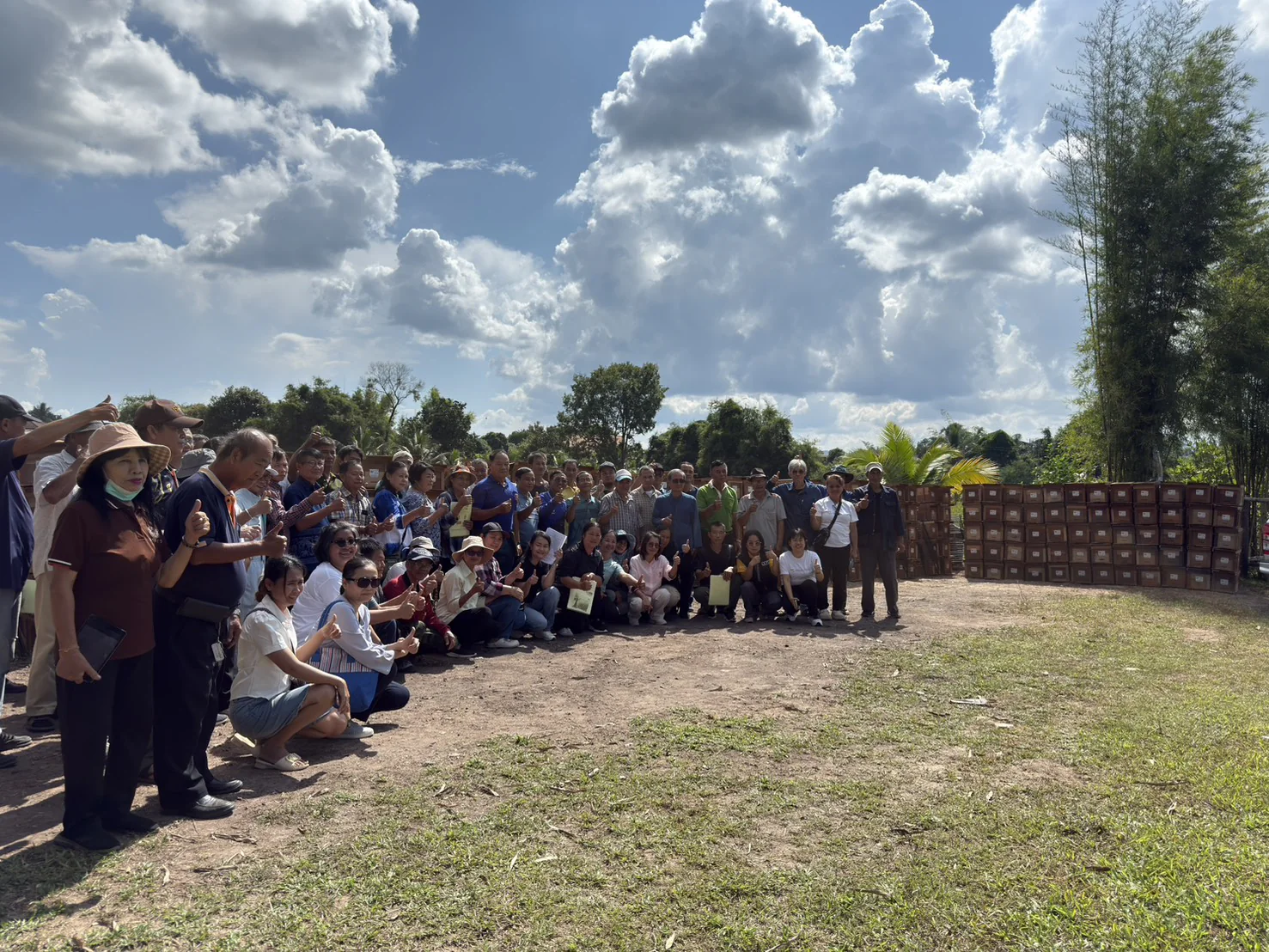
On 2 November 2026, the project held its fourth knowledge-sharing activity at Rai Chundo, Ban Siwilai, Chiang Kham District, Phayao Province, with 80 farmers participating. The training covered bee biology, hive management, and appropriate beekeeping techniques, giving participants practical knowledge they can apply to their own farms and livelihoods.
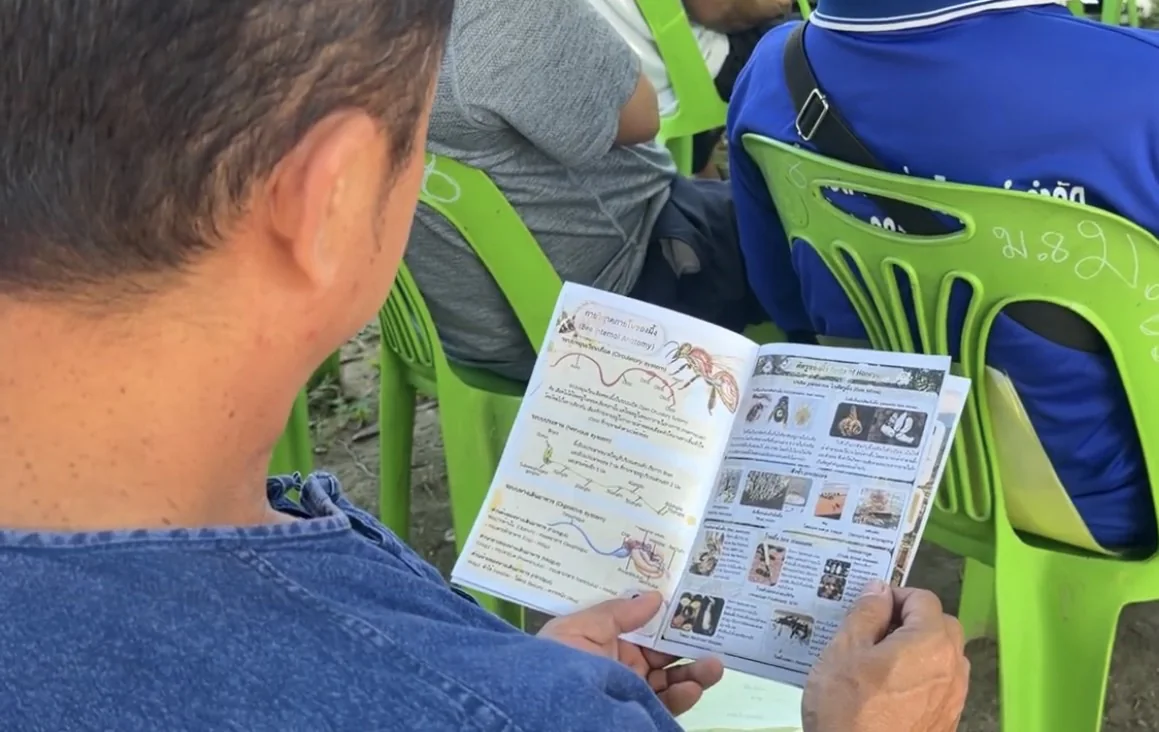
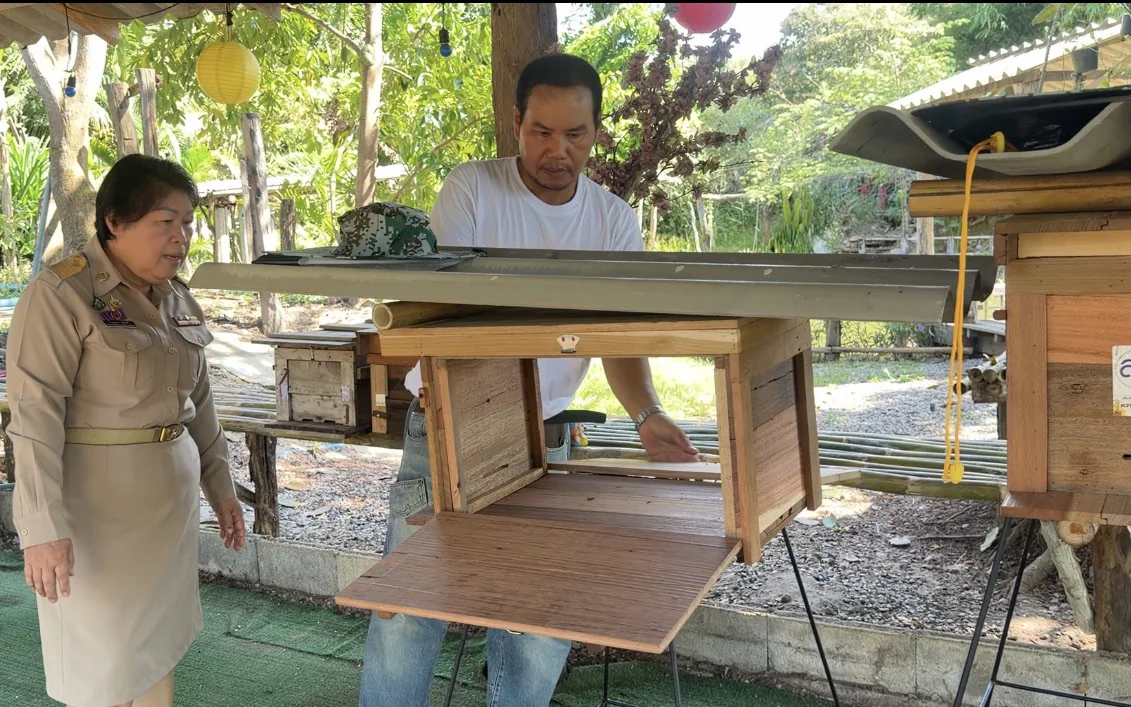
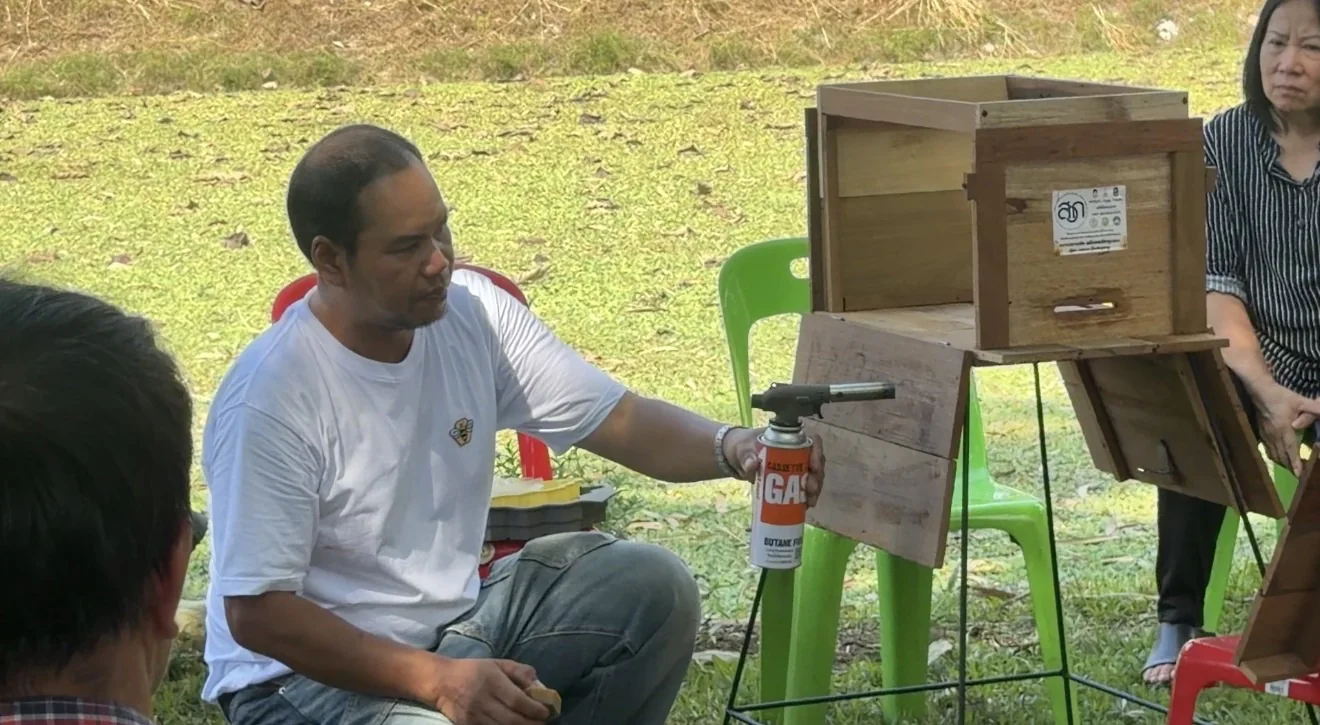
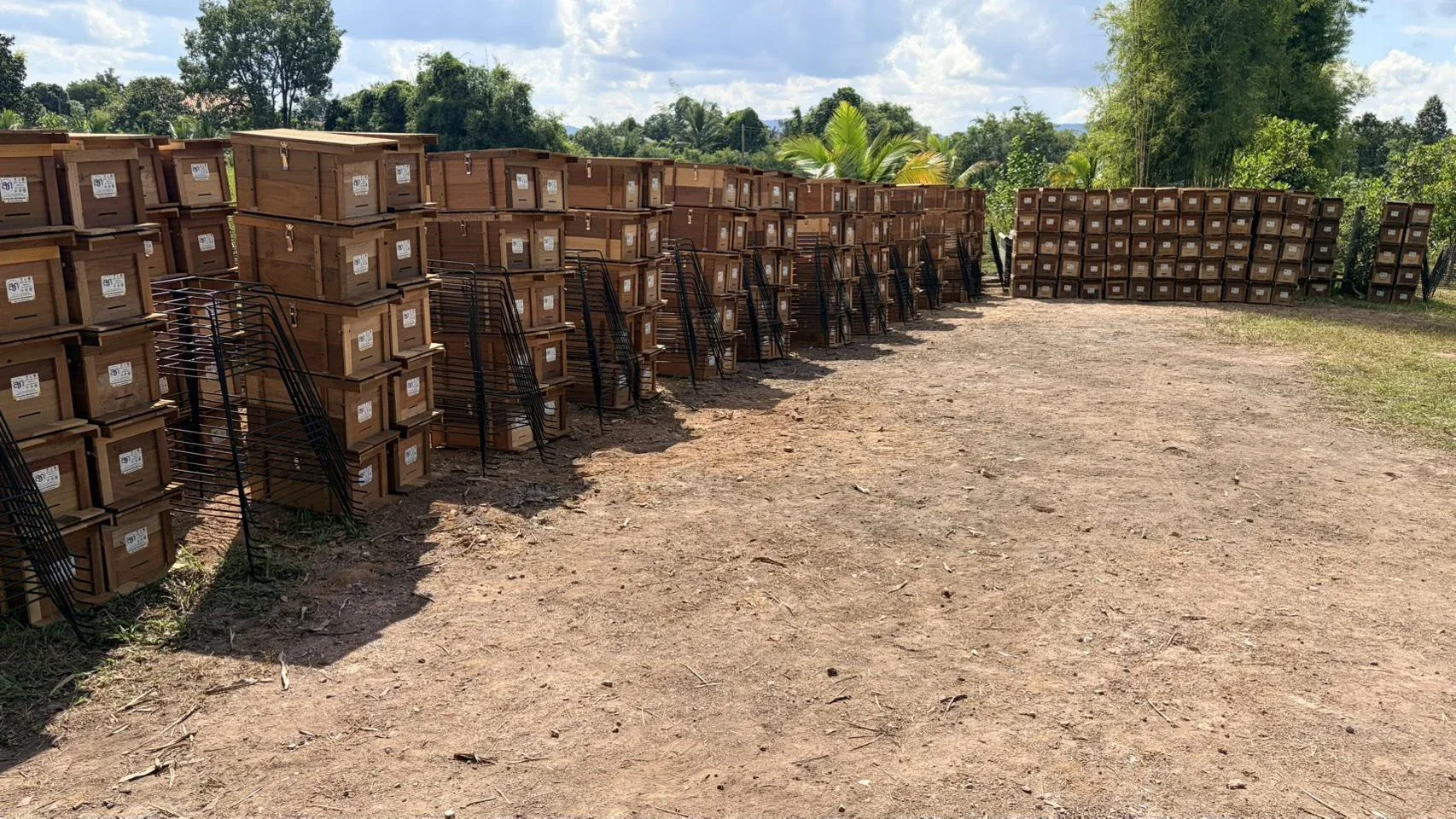
An important part of the training was the development of improved Thai native honey bee hives. Asst. Prof. Dr. Tipwan Suppasat, a lecturer at the School of Science and project leader, together with Mr. Prasert Hanphisut, a community innovator and model farmer, demonstrated how to design and manage hives more effectively. The improved hive features appropriately thick wooden walls to help maintain a stable internal temperature, side openings for easier inspection, and a durable structure that makes hive management more convenient while reducing disturbance to the bees.
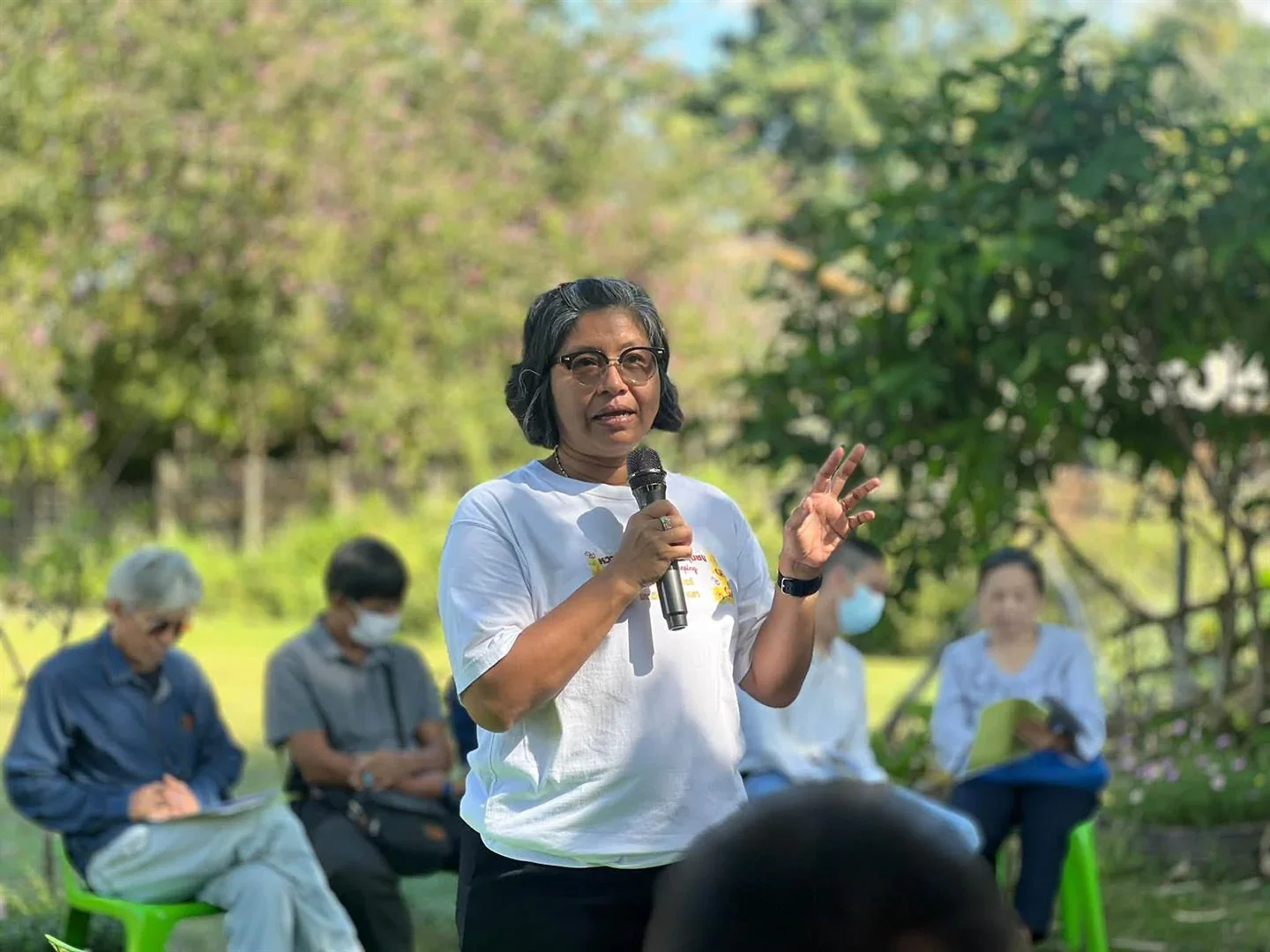
Proper hive management is essential to maintaining a healthy bee colony. Beekeepers should take care to preserve the queen bee and brood inside the hive so that the colony can continue to grow and reproduce naturally. This approach can reduce the need to repeatedly attract wild bees into new hives and help lower the labor and costs involved in managing bee colonies.
Thai native honey bees also provide benefits beyond honey production. They are important pollinators for agricultural crops, including longan trees. Their presence in orchards can support pollination and improve the opportunity for fruit development. However, actual crop yields also depend on other factors, such as weather conditions, tree health, and orchard management.
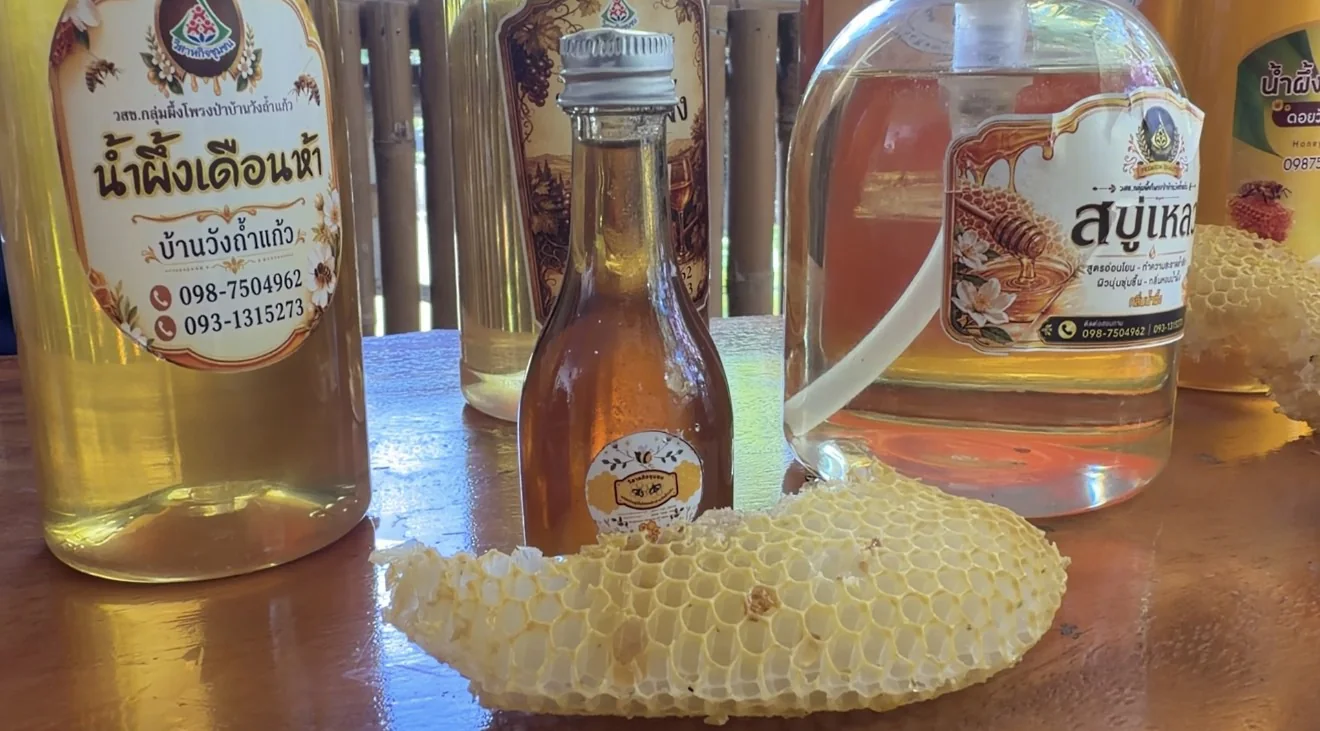
For people interested in beekeeping as an additional source of income, honey is the main product that can be harvested and sold when the colony is sufficiently established. Beekeepers can also explore opportunities to create value-added products, such as honey soap, skincare gel, creams, beeswax products, and herbal honey. Product development should take into account quality, safety, and market demand.
The project also supports local economic development through hive production. Reclaimed wood is used to make hive boxes in collaboration with the Huai Lan Old Wood Community Enterprise. This initiative creates work opportunities for local carpenters and helps circulate income within the community.
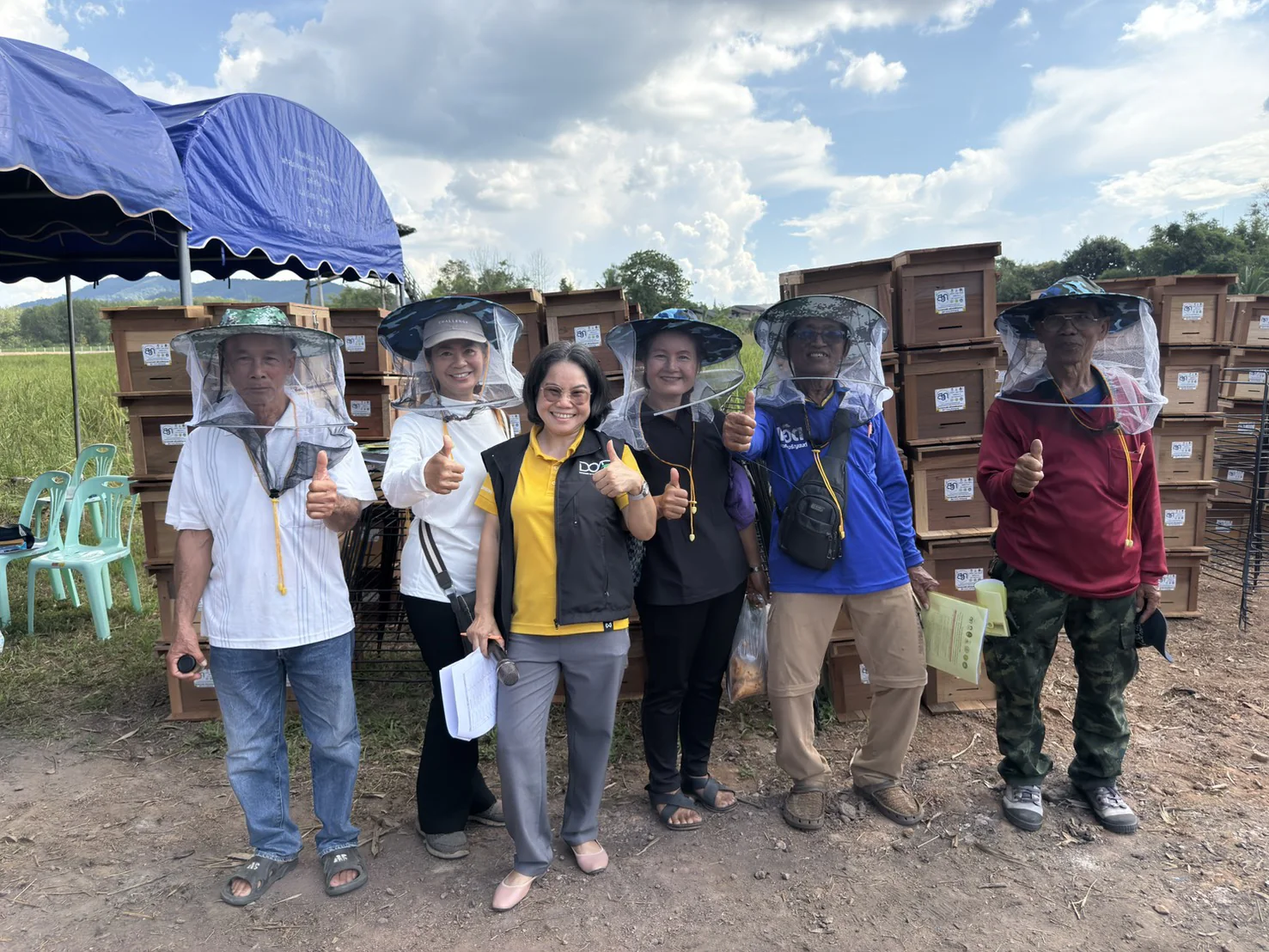
The University of Phayao aims to expand this knowledge-sharing initiative to farmers in Phayao and five provinces in northeastern Thailand. The project seeks to help farmers apply beekeeping technology in their own areas, while encouraging the development of standardized bee farms and stronger market connections to create more sustainable income opportunities.
Thai native honey bee farming is more than a way to produce honey for sale. It is an opportunity to connect agriculture, local livelihoods, and environmental conservation. For those interested in getting started, learning the right techniques and understanding the natural behavior of bees are important first steps toward building a sustainable supplementary source of income.